
How to Practice Abacus at Home: A Simple Daily Routine for Kids
Your child goes to abacus class once or twice a week, but the real progress happens in the days between classes. Knowing how to practice abacus at home, in short and regular sessions, is what turns a class lesson into a skill. This guide gives you a daily routine, a four-week plan, the mistakes to watch for and ways to keep your child interested.
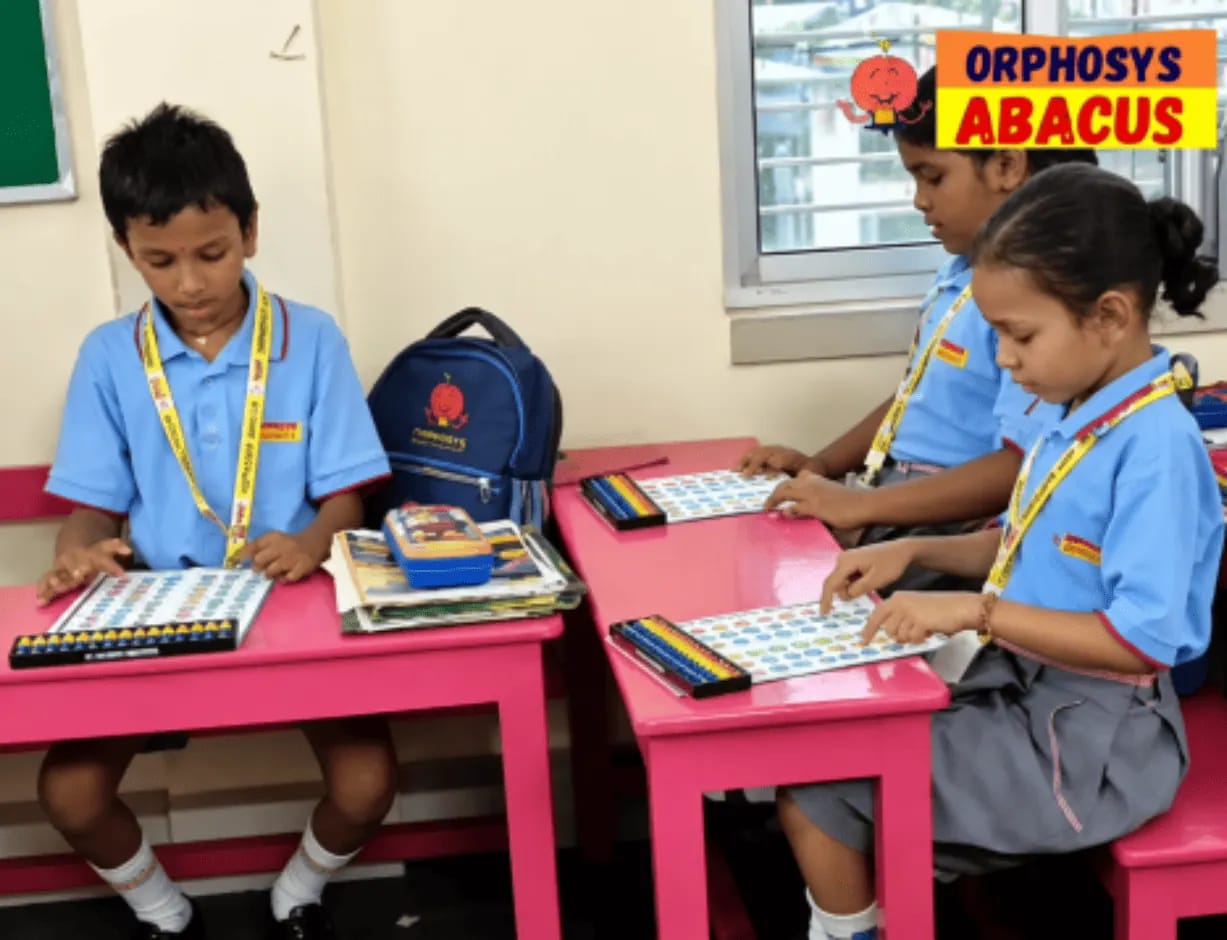
How long should a child practise abacus at home?
For children aged 5 to 8, 10 to 15 minutes a day is enough. Short and regular beats long and occasional. A child who practises 10 minutes every day will usually do better than one who sits for an hour on Sunday. For older children, 15 to 20 minutes is fine, but stop before your child gets tired or bored.
What do you need for home practice?
A proper abacus
Use the same type of abacus your child uses in class. Most abacus classes use a frame where each rod has one bead above the bar and four beads below it. A toy counting frame with ten beads on every rod looks similar but works differently, so it is not a substitute. If you are unsure, ask your child’s centre which one they use.
The class workbook and worksheets
Practise from the level your child is on now, not a harder one. Your child’s workbook is the best source, and free worksheets can add variety. https://orphosysfoundation.pages.dev/
A quiet corner and a timer
Choose a fixed time and place, such as after snacks or before dinner. A timer on a phone or a kitchen clock helps your child see that practice ends after 10 or 15 minutes.
A simple 15-minute daily routine
Minutes 1 to 3: Warm up
Clear the abacus and set a few numbers by moving the beads, then clear it again. This builds finger control and gets your child focused.
Minutes 4 to 10: Practise today’s problems
Solve 5 to 8 problems from the current workbook page. Your child should move the beads with the correct fingers, as taught in class, and say the answer aloud.
Minutes 11 to 13: Mental practice
Ask your child to close their eyes or look away and picture the beads. Give one or two easy sums to answer without touching the abacus. Skip this step if your child hasn’t started mental abacus in class.
Minutes 14 to 15: Finish with something your child enjoys
End with a quick game or a problem your child can answer correctly, so practice finishes on a good note.
A four-week home practice plan
Week 1: Build the habit
Practise the same time every day. Focus on correct finger movement and on setting numbers accurately. Don’t time your child yet.
Week 2: Add accuracy
Check each answer together. Ask your child to find and fix their own mistakes before you correct them.
Week 3: Add gentle speed
Use the timer to see how many problems your child finishes in five minutes. Compare only with your child’s own earlier results, not with other children.
Week 4: Review and celebrate
Repeat the problems your child found hardest. Show them how much faster and more accurate they’ve become, and reward their effort, not only the score.
Common mistakes to avoid
Rushing for speed too early. Accuracy comes first. Speed follows once the movements are correct.
Using the wrong fingers. Most centres teach one thumb-and-index-finger method. Bad habits are hard to undo, so ask the teacher to show you the right way.
Forgetting to clear the abacus before the next problem, which gives wrong answers.
Practising too long. Stopping early is better than forcing a tired child to continue.
Comparing with other children, which can make a child dislike practice.
Skipping days and then catching up. Short daily practice works better.
How can parents help without being a teacher?
You don’t need to know abacus to help. Sit with your child, keep the timer, ask them to explain how they got an answer, and praise effort. If they get stuck, don’t give the answer. Ask them to try again, and note the problem to show the teacher at the next class.
Can a child learn abacus at home without a teacher?
A child can practise the basics at home, but learning the finger technique from videos alone is hard, because small mistakes are hard to spot. The most effective way is to learn from a trained teacher in class and practise at home. If your child has no centre nearby, an online class with live correction is better than self-study.
Using an app to make practice more fun
Some children enjoy practising with an interactive app. The Orphosys Kids app includes Beady, our AI tutor, for Abacus, Vedic Maths and Spoken English practice. It works best as extra practice alongside classes, not as a replacement for a teacher.
Get it on Google Play: https://play.google.com/store/apps/details?id=com.orphosyskids.app
Frequently asked questions
How many minutes should my child practise abacus at home?
For children aged 5 to 8, 10 to 15 minutes a day is enough. Older children can do 15 to 20 minutes. Regular daily practice matters more than long sessions.
What if my child doesn’t want to practise?
Shorten the session, change the time of day and add something enjoyable, such as a small game at the end. Don’t force it. If your child resists for a long time, talk to the teacher, because the level may be too hard or too easy.
Should I practise on the abacus or only in my head?
Do both, in the order your child’s class follows. Children usually practise on the physical abacus first, and mental abacus comes later. Don’t push mental practice before your child’s teacher introduces it.
How long until I see results?
It depends on the child and on regular practice. Many parents notice better focus and accuracy within a few weeks, and speed grows over months. Progress is not the same for every child, so judge by your child’s own improvement.
Do I need a teacher, or can I teach my child myself?
You can support practice at home, but a trained teacher is the best way to learn the correct technique. A teacher also checks progress and moves your child to the next level at the right time.
What is the best age to start abacus?
Most children start between ages 5 and 8, and many programs accept children from age 4. Older children can learn too.
Get free guidance on WhatsApp
Not sure whether your child is practising the right way? Click the link below and chat with our experts on WhatsApp. They will answer your questions about home practice, levels and classes, and the guidance is completely free.
Chat with us on WhatsApp: https://wa.me/919046240290
Read other blog Abacus Classes for 5 Year Olds Child | How to Choose in 2026
Orphosys Team
Editorial team at Orphosys Foundation, dedicated to brain development and academic excellence.
Discussion (0)
Be the first to share an insight